

Summer is the Perfect Time for the Beach and a Course Refresh!
Now that the school year is finally behind us and there is a little bit of breathing room before everything starts back up in August, we are getting something that is often in short supply during the academic year: time to reflect.
Throughout the semester, it's easy to notice areas of a course that could be improved. Maybe students repeatedly asked the same questions about an assignment. Perhaps a discussion activity didn't engage your students like you hoped for, or a module felt more confusing than you intended. While teaching and trying to keep up with everything, you may have filed those observations away for "later."
Summer is later.
The good news is that refreshing a course doesn't have to mean you have to rebuild it from scratch. In fact, some of the best improvements are small changes that make things easier and more engaging for your students. Summer provides the perfect opportunity to step back and make a few intentional changes or updates to the things that you have thought about doing for a long time but haven’t gotten around to actually doing. Here are a few things to consider if you find yourself wanting to make changes and not being sure where to begin.
Start with Student Pain Points
One of the easiest ways to identify areas for improvement is to think about where students struggled.
Consider questions such as:
- Which assignments did you get the most emails about?
- What instructions required you to clarify repeatedly?
- Where did students seem to get stuck?
- Which activities had lower participation than expected?
These questions often reveal places to make some changes. Rather than asking, "What should I add to my course?" try asking, "What can I adjust to make my class clearer for my students?"
Reviewing student feedback from evaluations, emails, discussion forums, etc. can provide valuable insight. Consider for future semesters keeping a notebook that you designate just for student feedback or things that you notice that you want to work on so that you don’t forget those areas you want to work on and tweak a bit.
See Your Course Through Student Eyes
If you haven't used Student View recently, summer is a great time to revisit it.
Navigate through your course as if you're seeing it for the first time. Sometimes what feels obvious to us as instructors is less obvious to students encountering the course for the first time. A quick student tour can reveal places where the navigation is hard to follow, content could be reorganized, or unnecessary clicks eliminated. This is also a good time to check on those links in your class: are they all still working? Try using the Validate Links in Content link under Settings in your course to make sure that your links are current and running properly for your students.
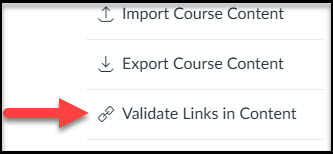
If you find things that aren’t working right or appear to be broken, this is the time to make those adjustments. Don’t forget to consider doing a little bit of summer cleaning and deleting files that you don’t need or have duplicates in your course from the course files page. This will make fixing and adjusting links and files much easier in the course.
The summer is also a good time to refresh your welcome page and announcements. What are your students seeing when they first click on your class? Does it provide information about you and your class? Does it help to make the class feel more inviting? Consider your course introduction video. If you don’t have one, then now is the time to record one. If you do have one, do you need to update it? Look at your announcements: have you been posting at least one announcement a week? Are the announcements giving information and reminders that the class needs? What are your students seeing and getting out of these parts of your course?
Students benefit when courses follow predictable patterns. Ask yourself if:
- Modules are organized consistently.
- Assignment names follow a clear format.
- Instructions are presented similarly throughout the course.
- Due dates and expectations are easy to locate.
- The navigation menu has items not being used hidden.
A consistent course structure helps students spend less time figuring out where things are and more time focusing on the meat of the class.
Thinking about these areas of your course and updating help keep your course current while showing students that the course is actively maintained and intentionally designed.
Review Assessments with Fresh Eyes
Summer is also an excellent time to review your quizzes and assessments. If you haven't yet started converting Classic Quizzes to New Quizzes, now is the perfect opportunity to start. With the May 2027 deadline approaching, spreading the work across several semesters can make the transition much more manageable. As you convert quizzes, consider whether questions still align with your course objectives and whether there are opportunities to incorporate new question types or improve feedback for students. You can consider organizing your questions into Item Banks for ease of access in other classes you might use the questions in.
Think about whether your assignments are measuring what you want students to learn. Consider whether instructions are clear and grading criteria are transparent. Sometimes a small revision to an assignment description or the addition of a rubric can reduce student confusion and frustration without changing the assignment itself. Examine your assignments for clarity and consistency. Check due dates, point values, grading criteria, and feedback settings. Make sure your students can easily understand how their work will be evaluated and what constitutes success for the assignments.
Link: New Quizzes
Link: Rubrics
Choose One New Thing to Explore
Rather than overhauling your entire course, choose one new feature, strategy, teaching approach, or tool to explore. Maybe it's creating more effective discussions, incorporating rubrics, trying video or audio feedback, or learning more about Canvas tools you haven't used before. Think back to professional development sessions, webinars, conferences, or conversations with colleagues over the past year. Was there a tool or technique that caught your attention? Summer is the perfect opportunity to revisit those ideas and determine whether they might fit your teaching style and course goals.
Link: Help with Canvas Tools
Link: Canvas LMS Instructor Guide
Progress Over Perfection
A successful course refresh doesn't require a major redesign project. Often, the most meaningful improvements are the ones students barely notice such as a clearer assignment, a more organized module, or a simpler navigation menu. Summer offers a chance to pause and make thoughtful changes before the next semester begins. Even a few small updates today can create a smoother and more positive experience for students in your next semester.
If you need ideas or help with looking through your class to make some changes, please reach out to our department at any point (canvashelp@durhamtech.edu). We are always happy to help you make your class something that you and your students feel even more excited about!